 Nelynx
Caloric Balance and Energy Expenditure
Understanding how energy intake and expenditure relate to body weight and metabolic health.
Energy Balance: A Fundamental Concept
Energy balance refers to the relationship between the calories consumed through food and drink and the calories expended through metabolic activity and physical movement. This balance is a fundamental concept in nutrition and weight management.
When caloric intake equals caloric expenditure, body weight remains relatively stable. When intake exceeds expenditure, stored energy accumulates. When expenditure exceeds intake, stored energy is utilized. Understanding this basic principle provides important context for comprehending how body weight changes.
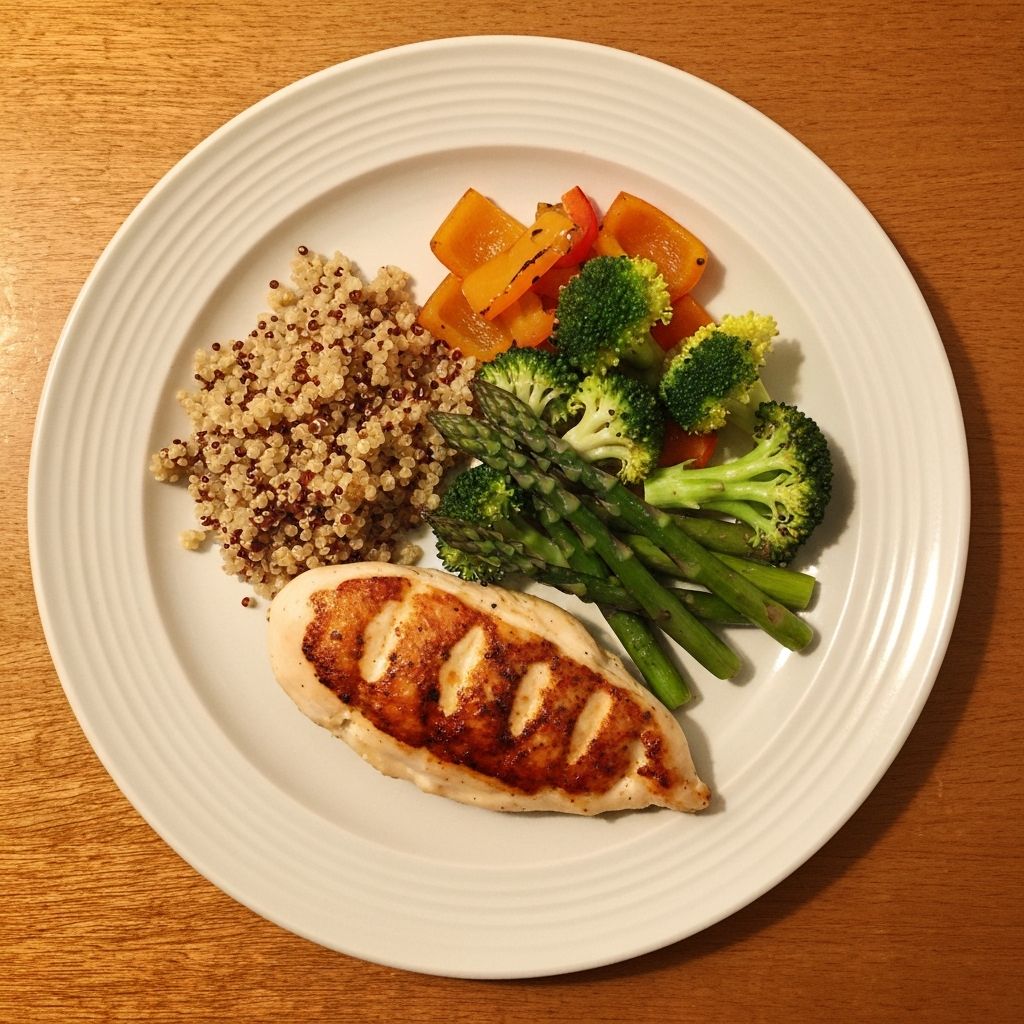
Understanding Calories and Energy
A calorie is a unit of energy. In nutrition, we typically refer to kilocalories (kcal), commonly just called "calories." Different macronutrients contain different amounts of energy per gram:
Carbohydrates
4 calories per gram
Primary energy source for the brain and muscles, particularly during physical activity.
Proteins
4 calories per gram
Essential for tissue repair and many metabolic processes. Has a higher thermic effect than other macronutrients.
Fats
9 calories per gram
Concentrated energy source. Essential for hormone production and nutrient absorption.
Components of Energy Expenditure
Total daily energy expenditure consists of several components, each contributing to overall calorie burn:
Basal Metabolic Rate (BMR)
The energy required to maintain basic bodily functions at rest, including heart rate, respiration, cell maintenance, and hormone production. BMR typically accounts for 60-75% of total daily expenditure in sedentary individuals.
Activity Energy Expenditure
Energy expended during structured physical activity and exercise. This component varies greatly based on the frequency, intensity, and duration of physical activity.
Non-Exercise Activity Thermogenesis
Energy expended through daily movement including occupational activity, fidgeting, and posture maintenance. This component often varies more than expected and can contribute significantly to total expenditure.
Thermic Effect of Food
Energy required to digest, absorb, and process nutrients from consumed food. This accounts for approximately 10% of total energy expenditure. Protein has a higher thermic effect than carbohydrates or fats.

Physical Activity and Energy Expenditure
Physical activity is an important component of total daily energy expenditure. Different types of activity expend different amounts of energy and offer various benefits for overall health and function.
Types of Physical Activity
- Aerobic activity: Moderate-intensity activity such as brisk walking, cycling, or swimming that elevates heart rate
- Resistance training: Activities involving strength work that can increase muscle mass and metabolic rate
- Flexibility and balance work: Activities such as yoga or stretching that support mobility and function
- Daily movement: Occupational and recreational activity throughout the day
Including diverse types of physical activity provides various benefits beyond energy expenditure, including improved cardiovascular function, muscle maintenance, and overall well-being.
Energy Balance and Weight Management
While energy balance is the fundamental concept underlying weight change, the practical reality is considerably more complex. Individual factors including genetics, metabolic adaptation, hormonal function, and behavioral patterns all influence how bodies respond to changes in energy intake or expenditure.
Important Considerations
- Metabolic adaptation occurs over time—the body may adjust metabolic rate in response to prolonged caloric restriction
- Dietary composition affects satiety, nutrient adequacy, and adherence to eating patterns
- Individual metabolic rates vary significantly based on genetics, age, muscle mass, and other factors
- Physical activity provides benefits beyond energy expenditure, including cardiovascular health and muscle maintenance
- Psychological and behavioral factors significantly influence dietary and activity patterns
- Sustainable approaches typically focus on long-term lifestyle integration rather than extreme restriction
Educational Context
This article explains energy balance and expenditure for educational purposes. Individual responses to dietary and activity changes vary considerably based on numerous factors. Consultation with healthcare professionals is recommended for personalized guidance on nutrition and physical activity.
Educational Content Only
This article is informational. No promises of outcomes.